
How to Buy Collectibles Confidently: A Guide to American Girl Dolls and Beyond
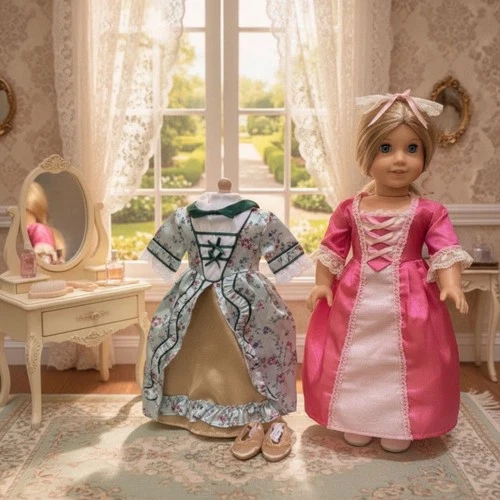
Marketplace photo: American Girl Elizabeth Cole Doll Retired Meet Dress + Extra Historical Outfit. Illustration only; availability and condition may change.
Collecting dolls, particularly cherished lines like American Girl, combines nostalgia with the thrill of discovering pieces that speak to personal memories and interests. Whether you're seeking a specific character doll, vintage furniture, or complete outfit sets, understanding what to look for ensures you acquire items that meet your expectations. This guide walks you through the essential considerations for purchasing collectible dolls and accessories with confidence.
Understanding Different Eras and Their Significance
Collectible doll lines often span multiple production periods, each with distinct characteristics that affect desirability and collecting interest. For American Girl dolls, compare the seller’s claimed era with photographs of the actual doll, its labels, and its accessories. Packaging, markings, and replacement parts should be considered together.
When examining listings, note references to manufacturing periods. Ask for clear photographs of the cloth body, neck markings, body tags, and any packaging. A box may have been replaced or paired with a different doll, so packaging alone does not establish an item’s identity or age. Historical character dolls have been released, retired, and sometimes reintroduced with modifications, so understanding which version you're considering helps set appropriate expectations.
Modern anniversary editions and collector series releases represent another category entirely. Check the manufacturer’s description for any stated production limit and included documentation. Pay attention to whether listings mention original packaging, as items described as "new in box" or "NRFB" (never removed from box) indicate different handling histories than played-with or displayed pieces.
Assessing Condition Accurately
Condition assessment forms the foundation of confident collectible purchasing. For dolls, examine every component mentioned in the listing description. Face and body condition matter significantly—look for information about the vinyl face, including any marks, scratches, or discoloration. Eye mechanisms should function properly, with eyes that open, close, and stay in position as designed.
Hair condition varies dramatically among pre-owned dolls. Original styling may be disturbed, hair may show frizzing or matting, and color may have faded with sun exposure. Some collectors prefer original hair in any condition, while others seek professionally restored pieces. Understand which matters more for your collecting goals.
Clothing and accessories require separate evaluation. Fabrics may show wear, fading, staining, or loose stitching. Original tags on clothing items add to documentation but aren't always present on vintage pieces. Furniture items should be checked for structural soundness, finish condition, and completeness of any moving parts or small components.
If a seller mentions care-center treatment or restoration, ask who performed it, what services were completed, whether parts were replaced, and whether a service record is available. A treatment claim alone does not establish originality or condition.
Verifying Authenticity and Provenance
Authenticity verification protects you from purchasing reproduction items or misrepresented pieces. Genuine collectible dolls carry specific manufacturer marks, typically stamped or printed on the back of the neck or torso. Pleasant Company and American Girl items include identifiable markings that changed across production years.
Provenance—the documented history of an item—adds context and confidence to your purchase. Original boxes, instruction booklets, certificates, and retail receipts all contribute to provenance. Documentation can support an item’s history, but does not establish its present condition or guarantee authenticity. Compare records with the actual item.
Custom or OOAK (one of a kind) items represent a different category. These pieces feature artist modifications, custom costumes, or unique combinations of parts. While these can be interesting acquisitions, understand that they differ from factory-original items. Custom work doesn't inherently reduce value if that's what you seek, but clarity about original versus modified condition matters for informed decisions.
Be particularly attentive with retired or rare items, as these sometimes command premium interest. Terms like "retired" indicate the manufacturer no longer produces that item, but verify specific retirement dates independently rather than relying solely on listing claims.
Inspecting Before You Bid
Thorough inspection before committing to a purchase prevents surprises. Request additional photographs showing specific areas of concern, including close-ups of faces, hair, limb attachments, any damage, markings, and stamps. Ask about any aspects not visible in existing photos.
Inquire about completeness. Outfit sets should include all original pieces—shoes, tights, hair accessories, and any small components. Furniture items may include bedding, cushions, or accessories that complete the set. If a listing mentions "missing parts," ask specifically what's absent so you can determine whether the incomplete set still meets your needs.
Smoke-free and pet-free storage matters to many collectors due to odor absorption. Ask about storage conditions, especially for fabric items and doll hair. Climate-controlled storage better preserves materials than attic or basement storage where temperature and humidity fluctuate.
For valuable or significant purchases, consider whether the auction platform offers inspection periods, return policies, or buyer protection programs that give you recourse if items arrive differently than described.
Understanding Shipping and Insurance
Proper shipping protects your investment between seller and your collection. Dolls require secure packaging that prevents shifting during transit while protecting faces and limbs from impact. Original boxes, while valuable for documentation, may not provide adequate shipping protection by themselves.
Furniture items need especially careful packing due to their size and potential fragility. Ask sellers about their packing methods if not detailed in the listing. Experienced collectible sellers typically understand appropriate materials and methods.
Shipping insurance may cover eligible loss or damage, subject to the provider’s exclusions, coverage limits, packaging requirements, and claim deadlines. For items of significant value or personal importance, verify whether shipping quotes include insurance or if you need to request it separately. Document item condition with photographs immediately upon arrival, before removing packing materials, in case you need to file a claim.
International shipping introduces customs considerations and extended transit times. Factor these elements into your decision-making, especially for time-sensitive purchases or gifts.
Practical Checklist for Collectible Purchases
- Identify the specific production era and understand how it affects the item's characteristics
- Review all photographs carefully and request additional images of any concerns
- Read the complete description noting condition issues, completeness, and any restoration
- Verify authenticity markers including stamps, tags, and manufacturer documentation
- Ask about provenance including original boxes, receipts, and ownership history
- Inquire about storage conditions including smoke, pet, and climate exposure
- Understand what's included in outfit sets, furniture pieces, or accessory lots
- Clarify "missing parts" specifically if mentioned in incomplete items
- Confirm shipping methods and insurance coverage for your purchase value
- Check return policies and buyer protection terms before bidding
- Budget appropriately including the buyer premium, shipping, handling, tax, optional services, and any potential import fees
- Research the seller's history with similar items when information is available
Conclusion
Purchasing collectibles successfully combines knowledge, careful evaluation, and clear communication with sellers. By understanding production differences, accurately assessing condition, verifying authenticity, conducting thorough inspections, and ensuring proper shipping, you position yourself to acquire items that enhance your collection while meeting your standards. Whether you're seeking a specific character to complete a set, furniture pieces for display, or rare retired items, these principles guide you toward confident, satisfying purchases. Remember that collecting should bring joy—taking time to make informed decisions ensures your acquisitions deliver the satisfaction you seek.
Comments (0)
No comments yet. Be the first!
Sponsored ad space 1
Blog / Journal
Advertise here. Review your ad and price before payment.
Sponsored ad space 2
Blog / Journal
Advertise here. Review your ad and price before payment.
Sponsored ad space 3
Blog / Journal
Advertise here. Review your ad and price before payment.
Sponsored ad space 4
Blog / Journal
Advertise here. Review your ad and price before payment.